
- Story Detail
Why ERPCosts So Much and How We Cut It
A salesperson tells you ERP software will save your business money and time. You sign. Six months later, your staff is still working out how the thing runs, your old data is half moved across, and the invoices keep arriving every month like clockwork.
Plenty of small business owners know that feeling. The software was rarely the problem. The way it gets sold and set up is.
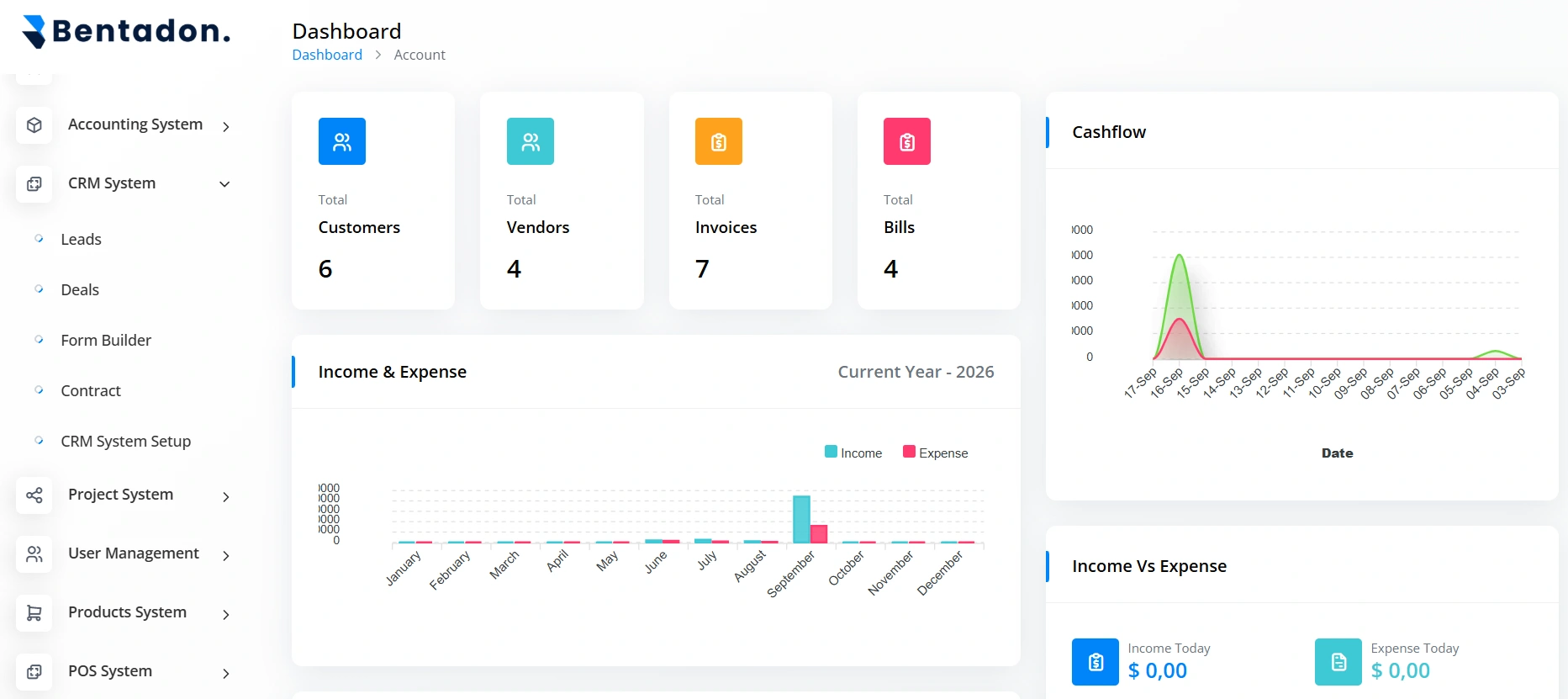
What An ERP System Actually Does
ERP stands for enterprise resource planning. Strip away the clumsy name, and you have one piece of software sitting on one database, running the parts of your business that keep touching each other.
That last bit is the whole point. Your sales team closes an order, and the stock count drops, the invoice goes out, a purchase order for more material gets raised, and the figures land in your accounts. All of it runs off one record, with nobody retyping anything.
The software arrives in modules, which are the chunks you switch on for the jobs you do. Oracle lists ten. The ones most businesses care about:
- Financial management runs your general ledger, payables, and receivables
- Procurement handles quotes, purchase orders, and approved suppliers
- Supply chain tracks goods from supplier to customer and sets stock levels against demand
- Manufacturing schedules production runs, material availability, and shop floor work
- CRM holds customer records, leads, quotes, and service tickets
- Human resources keeps staff records, scheduling, recruiting, and pay
- Project management tracks schedules, budgets, and billing job by job
A distributor needs stock and procurement. A workshop needs manufacturing. Nobody needs all ten, which matters because most vendors price modules separately.
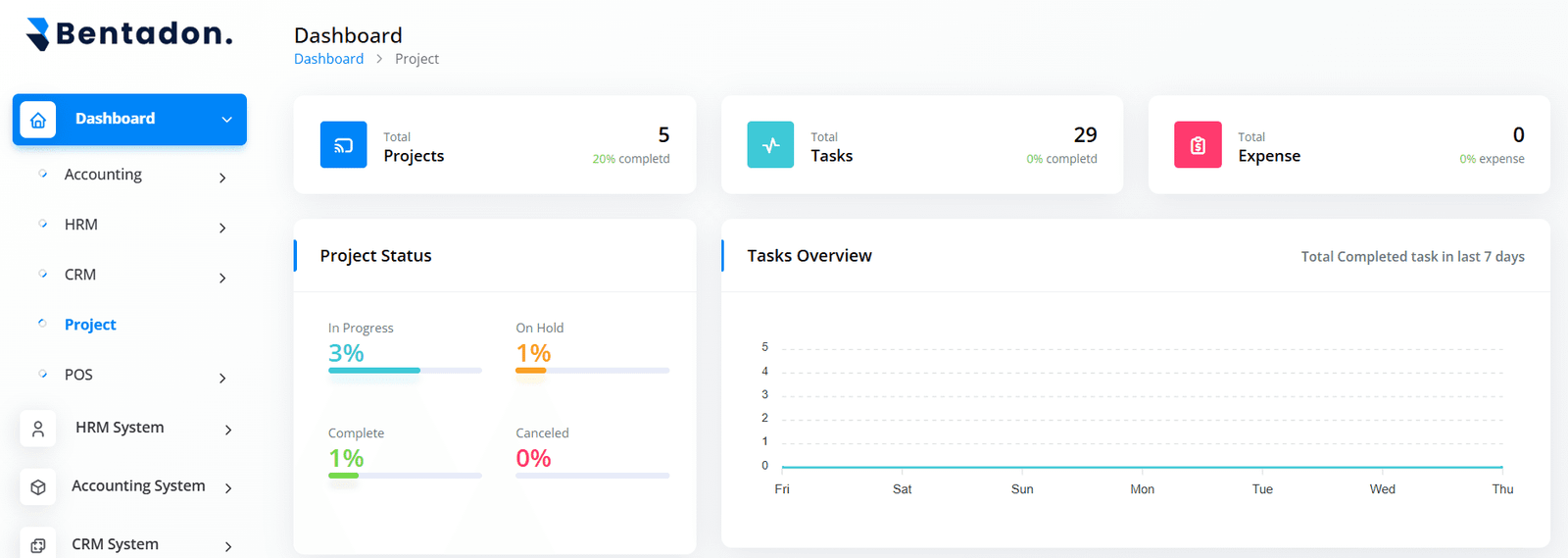
ERP or Accounting Software: Which Do You Need
Plenty of businesses weighing up ERP already run QuickBooks or something like it. Accounting software records money that has already moved: what you invoiced, what you owe, what you spent. ERP records the work that produced the money: your stock, orders, production, and staff hours, then handles the accounting on top.
The switching point is easy to spot. Four spreadsheets live outside the accounting system. Nobody trusts the stock figure. Month-end takes a week.
That is when the spreadsheets have quietly become your real system, and an ERP starts earning its keep.
- Discovery and planning: —Somebody maps how your business really runs against what the software does out of the box, then writes down the gaps. Frappe, the company behind ERPNext, calls skipping this stage the most common root cause of later trouble.
- Configuration: — Your company structure, chart of accounts, user roles, and approval rules get set up. Most of this needs no custom code at all.
Custom work and integrations: —Anything the standard system cannot handle gets built, and your other tools get connected. Frappe calls disciplined custom work one of the biggest levers on cost and timeline.
Data migration: —Your old records get cleaned, mapped, and moved. This is the stage that eats timelines. Messy data going in means messy data coming out, and your team stops trusting the system fast.
Training and testing: — Your staff learns the system, and you test it against real jobs rather than tidy demo data.
Go live and hypercare: — You switch over, and somebody supports you closely while everyone adjusts.
How long altogether? Frappe puts a small single-entity business at a few weeks, a mid-sized business with real data migration at a few months, and a large multi-entity rollout at several months to over a year.
Why These Projects Fail, And It Is Rarely The Software
Prosci studied this in 2025, and the finding is blunt. Human factors mattered six times more than technical factors in whether a business got the benefits it expected. Businesses still pour around 92% of their ERP budget into the technology.
Their study called a project failed when it produced under 70% of the benefits expected. That happened between 11 and 31% of the time.
The repeat offenders:
- Scope creep: The wish list grows every week, and the launch date moves with it.
- Too much custom work: Rebuilding the software to copy your old habits raises the bill, makes every upgrade painful, and hands your team a stranger system to learn.
- Messy data: Years of duplicate customers and wrong stock counts walk straight into the new system.
- Thin training: Staff go live unprepared, invent workarounds, and your reports fill with holes.
- No senior owner: With nobody clearing obstacles, decisions stall and the whole thing drifts.
Notice how little of that list is about features.
Where The Money Actually Goes
Most ERP companies charge per person, per month, so your bill grows every time you hire. Microsoft publishes its prices: Dynamics 365 Business Central costs $80 per user monthly on Essentials and $110 on Premium.
Deskera asks $199 per user on Growth, and Odoo’s Standard plan is reported near $24.90. Oracle NetSuite publishes nothing, with analysts reporting a base fee around $999 a month plus $99 to $129 per full user.
Setup is a separate bill that can beat the first year of software. SAP Business One gets quoted around $10,000 to $20,000 for six to twenty users, and Epicor Kinetic setups have been reported from $100,000 to $400,000. Training adds $500 to $2,000 per person.
Across five years, a ten-person team pays this in license fees alone:
Software | Per year | Over five years |
Oracle NetSuite | $23,868 to $27,468 | $119,340 to $137,340 |
Microsoft Business Central Essentials | $9,600 | $48,000 |
Odoo Standard | $2,988 | $14,940 |
A one-time payment also rarely means one payment. SAP charges 18 to 22% of the license value yearly for maintenance, and TallyPrime asks ₹4,500 to ₹13,500 a year to keep updates and remote access alive. Ask any seller what you pay in year two.
How Bentadon Does ERP Differently
You pay once, and the license is yours for life:
One payment buys a lifetime license to the ERP. No annual subscription waiting for you next year, and no per-user fee that climbs every time you hire. Your tenth employee costs you nothing extra in software.
1
Your customization carries the same lifetime license:
Rather than handing you software built for a company ten times your size, we shape it around how your business runs, and that work is licensed to you for life as well. You never rent the parts built specifically for you.
2
Most setups take under a month:
Small businesses get quoted four to nine months elsewhere, and SAP Business One runs 90 to 150 days. Our groundwork is already done, so you are not funding a build from scratch before anyone can log in.
3
Six months of support are included:
That covers the stretch that decides these projects, the months right after go-live when your team is still finding its feet.
4
You talk to us, not a reseller:
Bentadon is founder-led. The people building your system are the people you speak to, so nothing gets lost in the middle.
5
Reporting, Insights & Next Cycle
We deliver clear monthly reports on what we tested, learned, and what’s planned next.
6
Want to talk about something you are building? Email info@bentadon.com or call +1 (760) 284-7782.
FAQs
What does an ERP system actually do?
An ERP system runs your business from one database, so orders, stock, purchasing, production, staff records and accounts work off the same information. Close a sale and the stock count, the invoice and the ledger update together.
What is the difference between ERP and accounting software?
Accounting software records money that has already moved, like invoices, bills and expenses. ERP records the work behind the money, so stock, orders, production and staff hours, then handles the accounting on top. Businesses switch once the spreadsheets outside their accounting system have become the real system.
How long does an ERP setup take?
A small business with standard processes and little custom work can go live in a few weeks. A mid sized business with several modules and real data migration takes a few months. Large multi-entity rollouts run several months to over a year. Bentadon’s ready-to-deploy systems go live in under a month for most businesses.
Why do ERP projects fail?
For human reasons far more than technical ones. Prosci’s 2025 study found human factors mattered six times more than technical factors, while businesses put 92% of their budget into technology. Scope creep, heavy custom work, messy data, and thin training do the rest.
Can you buy ERP with a one-time payment?
Yes, though check year two before you sign. SAP charges 18 to 22% of the license value yearly for maintenance, and TallyPrime asks ₹4,500 to ₹13,500 a year for updates and remote access. Bentadon charges once for a lifetime license, with six months of support included and no per-user fee.